







Search Results for: Rich and Smooth
The Secret Behind the Smooth Taste of Flat White: From Milk Frothing to the Core Differences Between Flat White and Latte
Walking into Luckin, Starbucks, or an independent coffee shop on the corner, the menu always includes a milk coffee with "white" in its name—some call it Aoruibai, some call it Furuibai, while independent shops tend to call it Australian white coffee. They all actually refer to the same drink: Flat white. This coffee, which originated in Australia, differs from a latte mainly in the ratio of coffee to milk, the thickness of the milk foam, and the smooth, light texture on the palate. In this article, Front Street Coffee will take you through a comprehensive understanding of how to make a smooth and delicious Australian white coffee, covering the origin of its name, its differences from a latte, the impact of milk foam coarseness on mouthfeel, and specific preparation steps, and will also share milk frothing techniques suitable for making it at home along with coffee bean selection suggestions. [more…]

Espresso Bean Blending Guide | How to Judge the Freshness of Coffee Beans? Why Blend Coffee Beans? How to Extract Espresso at Home?
For more specialty coffee knowledge, please follow the WeChat official account: Front Street Coffee (FrontStreet Coffee). When it comes to choosing espresso beans, Front Street Coffee (FrontStreet Coffee) first pays attention to the freshness of the beans, and then to the [more…]
Where does the bitterness in medium-dark roasted coffee beans come from? And how should Mandheling and Blue Mountain be brewed to taste smooth?
The acidity in coffee comes from floral notes and fruit sugars, while the bitterness carries the deep notes of caramel, dark chocolate, and nuts—both determined by the degree of roast. After first crack, the longer the roasting continues, the more prominent the bitterness becomes. To brew a cup that is elegantly bitter with a rich, sweet finish, you need to fine-tune the grind, water temperature, coffee-to-water ratio, and pouring rhythm. Starting from the principles of roasting, this article explains the source of bitterness in medium-dark roasted coffee and provides brewing approaches and specific parameters for classic beans such as Mandheling and Blue Mountain, helping you avoid a deeply unpleasant bitterness and achieve a rich, smooth taste. [more…]
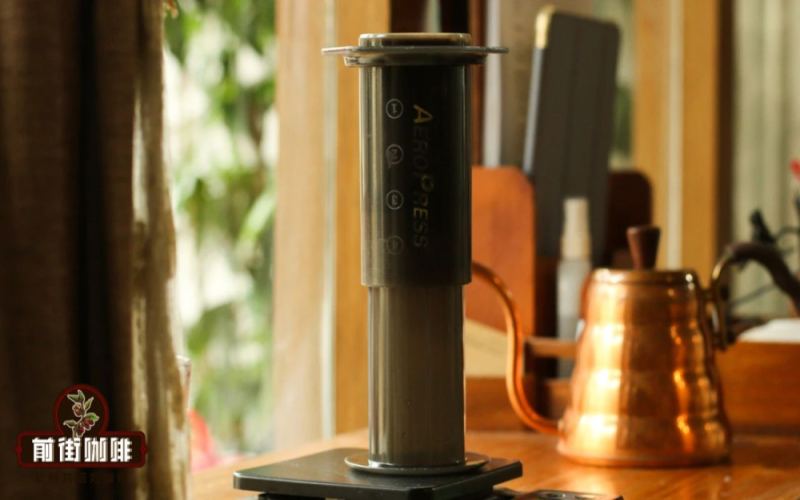
AeroPress Iced Latte: 10-Step Guide to a Rich and Smooth Homemade Version Without an Espresso Machine
Want to drink an iced latte but frustrated by not having an espresso machine? Actually, an AeroPress alone can get the job done. This article breaks down in ten steps how to use an AeroPress to make a high-concentration coffee base, then combine it with cold milk to create a cup of iced latte with a rich, mellow body and balanced sweet aroma. The article also specifically reminds you that to avoid a sharply sour or weak taste, you should prioritize medium or dark roast beans, such as Front Street Coffee Bird of Paradise, Front Street Coffee Queen's Manor, Front Street Coffee Golden Mandheling, and Front Street Coffee Huilan; if you are sensitive to bitterness, you can try the fermented fruity acidity of Front Street Coffee Xizhao, Front Street Coffee Strawberry Candy, or Front Street Coffee Sunflower Warm Sun Blend, which pair even better with milk. Next, follow Front Street Coffee's practical parameters to make a simple yet delicious iced latte step by step. [more…]
A Comprehensive Analysis of Flavors from Global Specialty Coffee Bean Regions: A Tasting Guide from Ethiopia to Costa Rica
The world of specialty coffee beans is like a vocal stage, where each producing region has its own unique voice and style. From the floral and citrus notes of Ethiopia to the cocoa sweetness of Honduras; from the Amazonian terroir of Peru to the volcanic fertile soil of Guatemala; from the mellow and versatile character of Colombia to the rich and full-bodied Mandheling of Indonesia; and on to the smooth and gentle cup of Brazil and the perfect balance of Costa Rica—every single bean carries the terroir code of its origin. This article will guide you through the flavor characteristics, recommended roast levels, and pastry pairings of the world's core specialty coffee regions, and share tasting notes on several representative beans from the Front Street Coffee brand, helping you find the cup that best suits your lifestyle. [more…]
How to Describe Coffee Flavors? A Comprehensive Analysis of Flavor Characteristics of Major Coffee-Producing Countries and Regions Worldwide
Even coffee from different plots within the same estate can vary in flavor, let alone regions spanning different countries. The three major specialty coffee regions—Asia, Africa, and the Americas—each display distinctly different regional characteristics due to their unique terroir. Ethiopia's floral and citrus notes and the rich, full-bodied character of Asian coffees each have their own following. When recommending single-origin beans to customers, Front Street Coffee matches them based on taste preferences—those who prefer acidity can choose Front Street Kenya Small Tomato or Front Street Yirgacheffe, while those who enjoy a full-bodied cup can try Front Street Jamaica Blue Mountain or Front Street Golden Mandheling. Front Street currently offers more than 200 specialty coffee beans, and every bean has undergone repeated roasting tests and cupping screenings, only being recommended to consumers after confirming it is representative of its region. The following content is a coffee flavor guide compiled by Front Street after multiple rounds of roasting and cupping of common coffee regions around the world. [more…]
Introduction to Coffee Blending: From Flavor Design to Single-Origin Ratios, Mastering the Core Logic of Espresso Blending
Blending coffee beans is not simply mixing them together; rather, you must first define your flavor goal, then assign roles based on the characteristics of each single-origin bean. This article starts with the purpose and steps of blending, reviews representative bean varieties from the three major green coffee producing regions, and provides the specific ratios and flavor descriptions for four Front Street Coffee blending recipes. Whether you want to highlight floral and fruity notes, rich crema, or pursue high cost-effectiveness, you can find corresponding blending ideas and product references here. [more…]
Where Does Cold Brew Coffee Come From? Brewing Principles, Flavor Characteristics, and Single-Origin Bean Recommendations for Cold Brew
Cold brew drip coffee, with its unique cold condensation percolation extraction method, has become a beverage much favored by coffee lovers in summer. It boasts both a spectacular brewing apparatus and a pure, natural taste. This article will guide you through the origin story of cold brew drip coffee, its similarities and differences with the cold brew method, the extraction principles and flavor characteristics, as well as the key points in making it. At the same time, we will also recommend several single-origin coffee beans suitable for making cold brew drip coffee, including popular choices from the Front Street Coffee brand, to help you easily make a rich and smooth cup of cold brew drip coffee this summer. [more…]
Where Does the Body of Pour-Over Coffee Come From? Analyzing the Essence of Body and Brewing Strategies to Enhance Mouthfeel
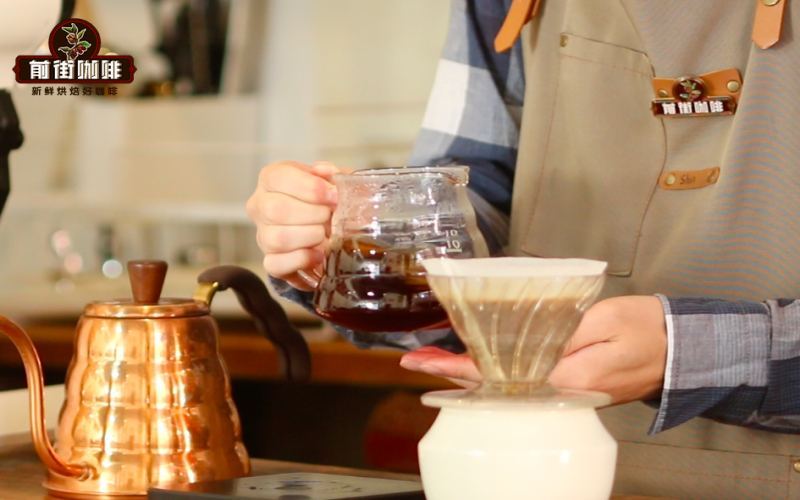
Have you ever heard the word "Body" from a barista or a fellow coffee enthusiast? It refers to the sense of volume and richness that coffee presents in the mouth, and it belongs to the tactile level of experience. Many people confuse Body with strength, but what truly determines richness is the oils and fibrous materials in coffee that do not dissolve in water. This article will start from the definition of Body, clarify the difference between it and mouthfeel and smoothness, and share a brewing method recommended by Front Street Coffee—by lowering the water temperature, reducing agitation, and extending the steeping time, pour-over coffee can also present a smooth and full-bodied texture. [more…]

Espresso Coffee Bean Brand Recommendations | What Are Espresso Blend Beans? What Types of Espresso Beans Are There? How to Choose Espresso Beans for a Semi-Automatic Espresso Machine?
Whether enjoyed on its own or as part of an espresso-based drink, a good, balanced espresso is the first requirement. However, to create an espresso with balanced acidity, body, and sweetness, you need to start with the right coffee beans—blending beans from different origins together. About Espresso Beans [more…]
Behind the Korean Iced Americano Craze: The Truth About the Bitterness of Americano and an Analysis of Its Fat-Loss Benefits
Americano is almost everywhere in today's coffee shops, but many people's first impression of it is still "so bitter it's hard to swallow." Is Americano really bitter? Does adding sugar make you look unprofessional? And what does it have to do with weight loss? From the perspective of Front Street Coffee, this article sorts out the origin and evolving definition of Americano, explains in detail the standard preparation process and water-to-coffee ratio for iced Americano, and recommends several espresso blend beans suitable for making Americano, including Sunflower Warm Sun, Specialty Blend, Commercial Blend, and Dark Cocoa Blend, helping coffee lovers make a smooth cup of Americano at home. [more…]
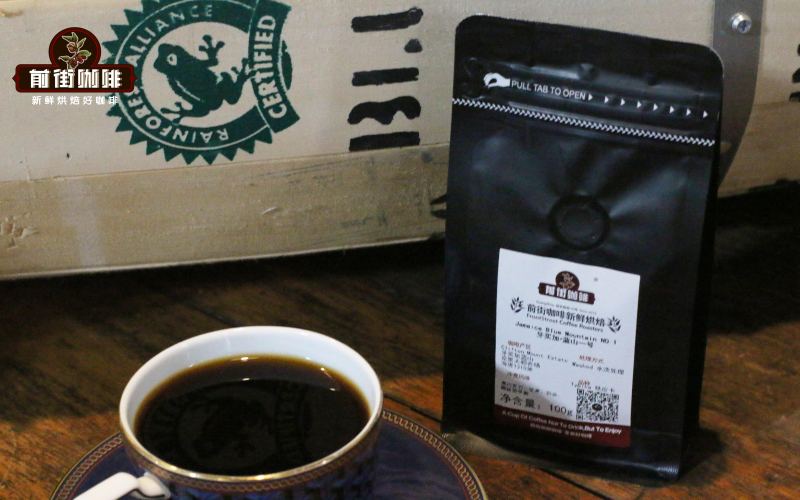
Jamaican Blue Mountain Coffee Flavor Characteristics and Price Analysis: Pour-Over Brewing Techniques for Medium-Dark Roasted Blue Mountain Beans
Jamaican Blue Mountain coffee, as a classic representative of island coffee, has won over countless coffee lovers with its balanced, mellow flavor. Front Street Coffee has long followed Blue Mountain No. 1 coffee, and in cupping and daily brewing has found its prominent dark chocolate and nutty notes, low acidity, and smooth mouthfeel. This article starts from the origin conditions of Blue Mountain coffee, the heritage of the Typica variety, and its flavor characteristics to explain how to choose authentic Blue Mountain No. 1, and shares in detail Front Street Coffee's roasting recommendations and pour-over extraction parameters, helping you brew a cup of Blue Mountain coffee at home with balanced acidity, sweetness, and bitterness, rich and smooth. [more…]
From Origin Flavors to Brewing Pairings: A Beginner's Guide to Selecting and Tasting Single-Origin Coffee
For those new to specialty coffee, the sheer variety on a bean menu can often feel overwhelming. In truth, each single-origin bean is like a singer with a distinct personality—different origins give it a unique terroir timbre, and adjustments to the roast level further bring out ever-changing flavors. This article will take you through classic origins such as Ethiopia, Honduras, Peru, Guatemala, Colombia, Indonesia, Brazil, and Costa Rica, exploring one by one their flavor profiles, recommended roast levels, and the desserts or savory foods they pair well with. It will also recommend a number of representative products from Front Street Coffee, helping you gradually pinpoint your preferred coffee style based on dimensions such as acidity, body, and aroma type. Whether you like bright fruity acidity or a steady cacao note, you can find the cup that suits you in this guide. [more…]
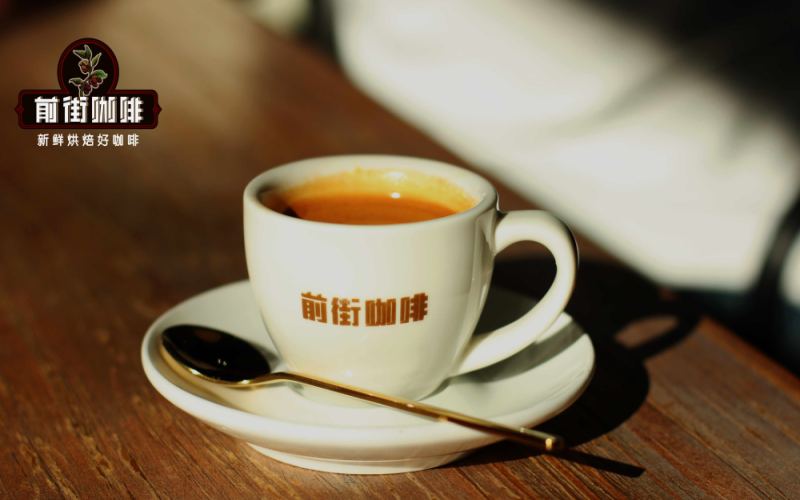
Specialty Espresso Coffee Beans | How to Choose Good Espresso Beans for Your Coffee Machine? Recommended Everyday Espresso Beans for Cost-Effective Espresso Machines
Whether enjoyed as a straight shot or as the base of a milk-based espresso drink, a good, balanced espresso is the first requirement. However, to create an espresso with balanced acidity, body, and sweetness, you need to start with the right coffee beans—blending beans from different origins together. About Espresso Beans [more…]
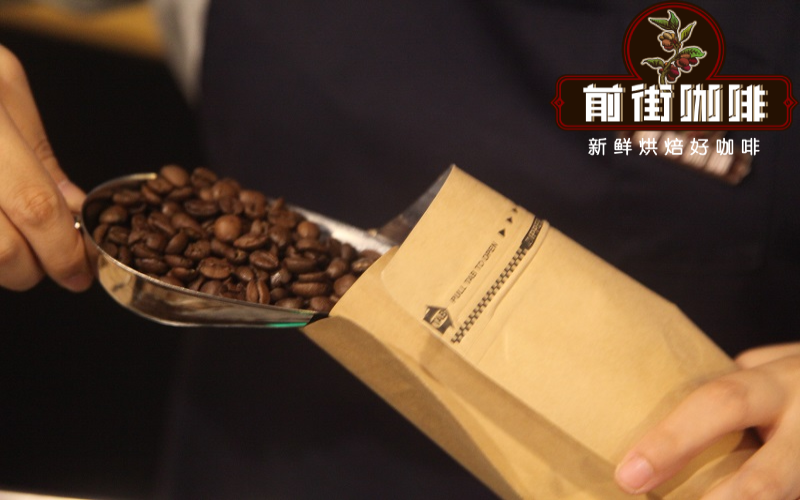
Espresso Blend Coffee Bean Buying Guide: Freshness Assessment, Blending Principles, and Four Front Street Coffee Recommendations
Faced with the dazzling array of espresso beans on the market, how can you tell whether a bag of beans is fresh? What exactly makes blended beans better? Front Street Coffee has systematically sorted out the key points for selecting and using espresso blend beans, from identifying freshness and the principles of blending to actual in-store output. The article introduces four espresso blend beans currently sold by Front Street, covering different flavor profiles and suitable scenarios, and includes a six-step espresso extraction demonstration using Sunflower Warm Sun Blend as an example, for the reference of coffee professionals and enthusiasts. [more…]
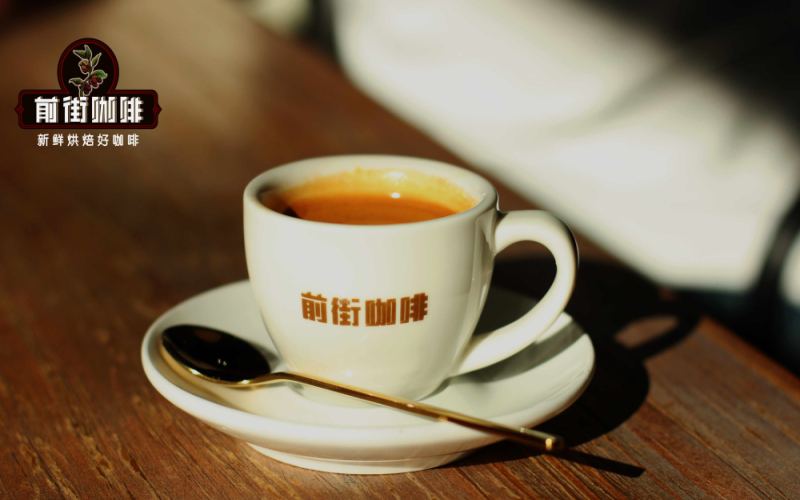
Analysis of the Flavor Characteristics of Medium-Roast Espresso Beans, and Why Espresso Blends Are Chosen for Making Espresso
To make an espresso that balances acidity, sweetness, and bitterness with a full-bodied mouthfeel, choosing the right beans is a key step. Single-origin coffee beans, while excelling in pour-over brewing, often struggle to meet espresso's demand for complexity, so blended beans become the top choice for most roasters. This article will start with the definition and characteristics of Italian-style blended beans, analyze the differences between the two processes of raw blending and roasted blending, and combine several classic blend products from Front Street Coffee to help you understand the taste characteristics of medium-roast Italian-style beans, and why Italian-style blended coffee beans should be chosen for making espresso. [more…]
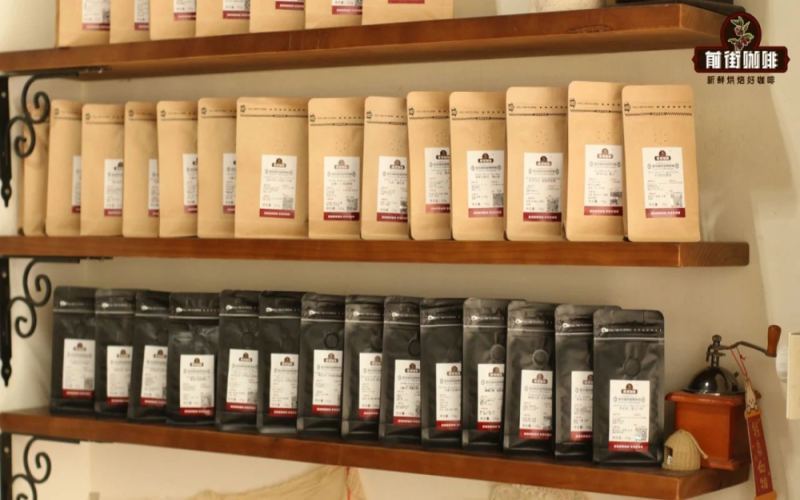
What are the common single-origin beans in specialty coffee shops? From origin to roast level, understand how to choose single-origin coffee beans in one article
Walking into a specialty coffee shop, the menu often lists names like Ethiopia, Mandheling, Colombia, and so on, leaving those new to coffee momentarily baffled. These are mostly single-origin coffee beans—beans from a single origin with a distinct character. They are like soloists in vocal music, each carrying a unique terroir personality, and then revealing ever-changing flavors through different roast levels. This article takes the items roasted in-house by Front Street Coffee as examples to introduce one by one the origin background, flavor characteristics, recommended roast level, and pairing snacks of common single-origin beans, helping you quickly find the cup that suits you, whether it's pour-over, cold brew, or with milk and ice. [more…]
A Comprehensive Guide to Coffee Types: Detailed Analysis of Flavor Characteristics and Origin Differences of 12 Classic Coffees
The world of coffee is rich and diverse, with different origins and roasting methods creating distinctive flavor experiences. This article systematically reviews 12 common types of coffee, from the elegant delicacy of Jamaican Blue Mountain to the rich mellowness of Indonesian Mandheling, from the chocolate notes of Yemeni Mocha to the unique flavor of Hawaiian Kona, analyzing one by one their taste characteristics, origin background, and best ways to drink them. Whether you prefer light and smooth or rich and strong, you can find your ideal choice in this coffee map. Front Street Coffee takes you deep into the personality and charm of each type of coffee. [more…]
A Complete Analysis of Front Street Peruvian Organic Coffee Flavor and Producing Regions: The Secret of Rich Aroma at the Foot of the Andes
As a rising star in the coffee world, Peru is gradually gaining international attention thanks to its unique terroir at the foot of the Andes. This article explores in depth the flavor characteristics and growing regions of Front Street Peruvian organic coffee, and explains how organic farming, through shade-grown methods, produces high-quality coffee that is layered and complex, with soft acidity and a smooth mouthfeel. From Chanchamayo to Cusco, from the distinctive northern growing regions to its steady role in blends, this guide gives you a comprehensive look at the rich aroma and quality appeal of Front Street Peruvian coffee. [more…]
Flavor Characteristics of Major Coffee Regions Around the World: A Guide to Tasting Profiles and Mouthfeel from Africa to the Americas
Even different plots within the same estate can produce coffees with distinct flavors, let alone major regions spanning continents. The three great specialty coffee belts—Asia, Africa, and Central & South America—nurture vastly different flavor profile characteristics due to terroir differences: Ethiopia's floral and citrus notes, Indonesia's rich herbal undertones, and Central America's balanced chocolate character, each with its own following. Before deciding to put a coffee on the shelf, Front Street Coffee repeatedly roasts and cups samples from each region, selecting the most representative lots before recommending them to consumers. This article systematically organizes the flavor characteristics and taste descriptions of major coffee-producing countries worldwide, covering Ethiopia and Kenya in Africa; Indonesia and India in Asia; Guatemala, Costa Rica, and Panama in Central America; and Colombia and Brazil in South America, providing coffee lovers with a complete flavor profile reference. [more…]